

Blog
What Is Ragi Flour Used For? Benefits and Recipes

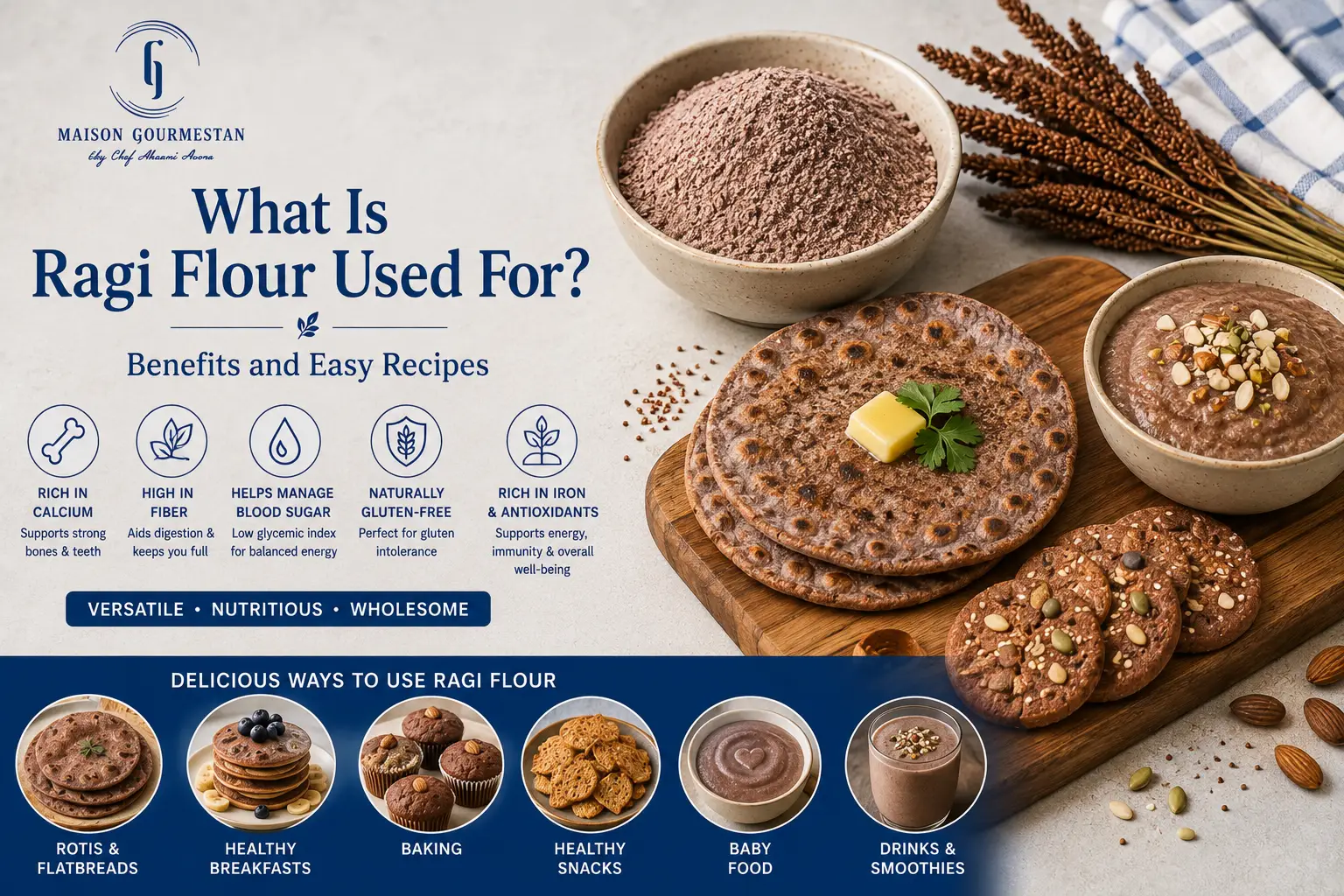
For many health-conscious families across the world, Ragi has become a pantry staple. In the Indian diet, Ragi is an ancient grain used for centuries and is also known as finger millet flour. It is rich in calcium, fiber, and other essential nutrients. It is the best wholesome option other than refined flours and is incredibly versatile in the kitchen.
Ragi Flour is one of the most delicious options to eat healthier, manage weight, or simply add healthy options to your diet. In this blog, we will explore the benefits of Ragi flour and various simple and easy recipes that can be considered for everyday meals.
What Is Ragi Flour?
Ragi flour is made by grinding dried finger millet into a fine powder. It has a mild, earthy, slightly nutty taste. It works well in both sweet and savory dishes. Since it's naturally gluten-free, it's also a popular choice for people with gluten intolerance or those looking to diversify their grain intake.
Today, with ragi flour, various delicious breakfast recipes can be made. From ragi, various baked dishes, snacks, breads, and desserts can be included in our daily diet.
What Is Ragi Flour Used For?
Flexibility is one of the biggest advantages of ragi flour, as it can be used for making many different recipes. Here are some of the most popular ways to use it.
- Rotis and Flatbreads - Ragi flour is commonly used to make soft, nutritious rotis and bhakris. Many people also mix it with wheat flour to improve texture while boosting nutritional value.
- Healthy Breakfasts - You can start your day with a filling breakfast by using ragi flour to make Ragi porridge, Ragi dosa, Ragi idli, Ragi pancakes, and Ragi waffles. These breakfast meals are rich in fiber and keep you feeling full for longer.
- Baking - Ragi flour can replace part of the regular flour in baking recipes. It's great for making muffins, cookies, cakes, brownies, and banana bread. Its earthy flavor pairs especially well with chocolate, cinnamon, nuts, and bananas.
- Healthy Snacks - Snacks such as Ragi crackers, Energy balls, Baked chips, Savory biscuits, and granola bars are best for health and are guilt-free.
- Baby Food - Ragi is often used to make homemade porridge for babies as it is rich in calcium and iron.
- Smoothies and Drinks - A spoonful of roasted ragi flour can be blended into smoothies or prepared as a traditional malt drink for a nourishing snack.
Health Benefits of Ragi Flour
- Rich in Calcium - Ragi is one of the best plant-based sources of calcium, making it excellent for supporting healthy bones and teeth. It's especially beneficial for growing children, older adults, and women.
- High in Dietary Fiber - The high fiber content promotes healthy digestion, supports gut health, and helps you stay full longer, which may assist with weight management.
- Supports Blood Sugar Management - Compared to refined flour, ragi is digested more slowly, helping reduce rapid spikes in blood sugar when eaten as part of a balanced meal.
- Naturally Gluten-Free - People with celiac disease or gluten sensitivity can enjoy ragi as a nutritious grain alternative. Always ensure the flour is certified gluten-free if cross-contamination is a concern.
- Rich in Iron - Ragi contains iron, an essential mineral that supports healthy red blood cells and energy production when consumed as part of a balanced diet.
- Packed with Antioxidants - Ragi contains naturally occurring antioxidants and plant compounds that help protect cells from oxidative stress.
- Good Source of Plant Protein - Although not a complete protein, ragi contributes to daily protein intake and pairs well with legumes and dairy for balanced meals.
Ragi Flour Recipes for Everyday Meals
Ragi Roti or Bhakri
Ingredients - 1 cup ragi flour, Warm water, salt, and 1 teaspoon oil (optional)
Method: Mix all the ingredients and make a soft dough. Then roll gently between sheets of parchment if needed, and cook on a hot pan until both sides are lightly browned.
Ragi Pancakes
Ingredients - 1 cup ragi flour,1 mashed banana, 1 egg (or flax egg), Milk of choice, Baking powder, and Cinnamon
Method: Mix all ingredients and whisk everything into a smooth batter, and cook on a lightly greased skillet until golden.
Ragi Porridge
Ingredients - 2 tablespoons ragi flour, 1 cup milk or water, Jaggery or honey (add honey only after cooking and not for infants under one year), and Cardamom
Method: Mix and cook over medium heat while stirring continuously until thick and creamy.
Ragi Chocolate Muffins
Instead of all-purpose flour while making your favourite chocolate muffin, use one-third ragi flour for added fibre and calcium.
How to Cook with Ragi Flour: Tips To Follow for Best Results
- Mix ragi flour with wheat flour if you're new to cooking with it
- Since ragi absorbs water differently, adjust the liquid gradually.
- Pair it with yogurt, vegetables, pulses, or healthy fats for a balanced meal.
- Store ragi flour in an airtight container in a cool, dry place to preserve freshness.
- Lightly roasting the flour before use can enhance its flavor in porridges and drinks.
Who Should Include Ragi Flour in Their Diet?
Ragi flour should be a best meal option for Children and teenagers, Adults looking for healthier whole grains, Older adults who need extra calcium, Fitness enthusiasts, People aiming to improve their fiber intake, and anyone looking for naturally gluten-free grains (where appropriate)
But please keep in mind, for any food, balanced usage is the key. If you are suffering from any kidney disease, or have any mineral restrictions, or a medical condition which requires special diet changes, then always check with your doctor or a dietician first before making any drastic changes in your daily diet.
Final Thoughts
Ragi flour is not just an alternative to regular wheat flour, but it is far more beneficial for health. Ragi is full of nutrients and a flexible ingredient that can be used in everyday meals, starting from breakfast to snacks, crackers, and baked dishes. Its combination of calcium, fiber, iron, and antioxidants makes it a valuable addition to a balanced diet.
Whether you're making soft rotis, fluffy pancakes, hearty porridge, or wholesome baked goods, ragi flour offers an easy way to enjoy delicious meals while adding more nutrition to your plate. Start with one or two recipes, experiment with different combinations, and discover why this ancient grain continues to earn a place in modern kitchens.